✦THE COMPLETE TAROT LIBRARY
78 cards.
A language of possibility.
Explore every tarot card, from its upright and reversed meanings to love, career, and everyday reflection. Find the symbol that speaks to your moment.
Find your card ↓78 cards to explore
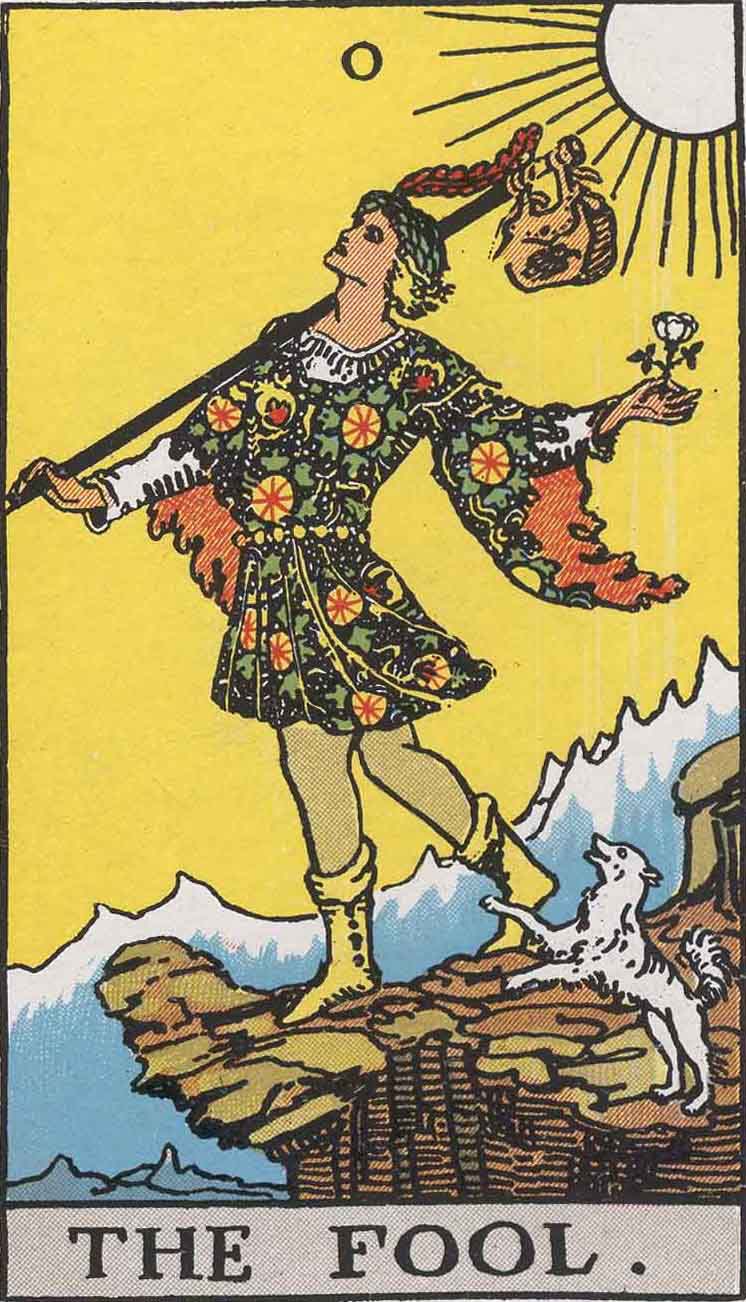
MAJOR ARCANA
The Fool
Beginnings · openness · the brave first step
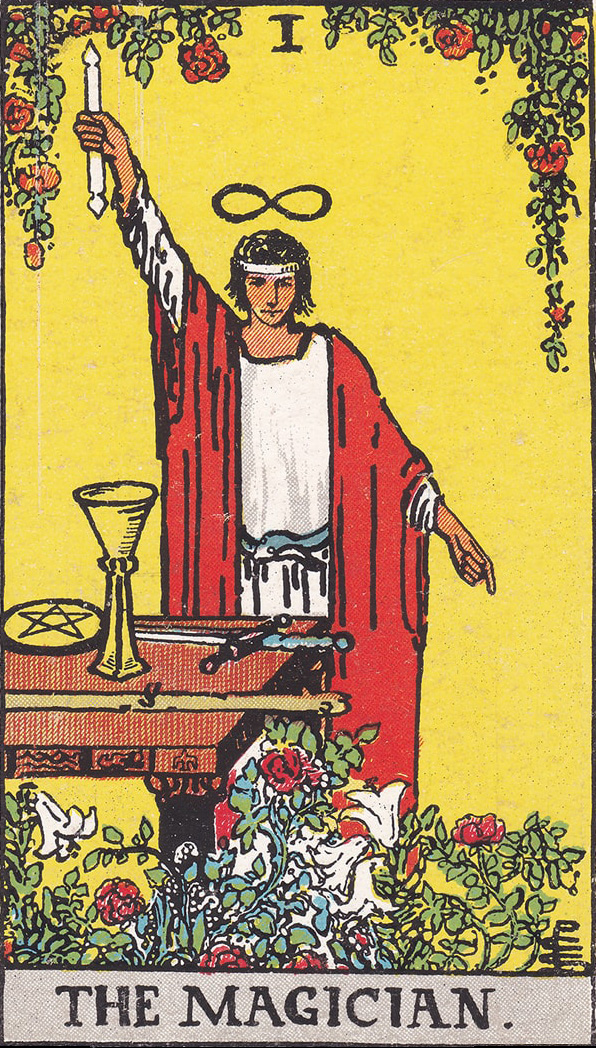
MAJOR ARCANA
The Magician
Focus · skill · manifestation
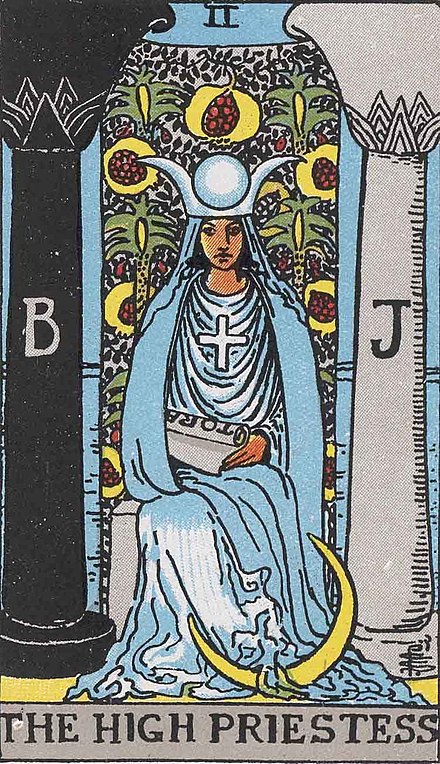
MAJOR ARCANA
The High Priestess
Intuition · quiet knowledge · inner truth
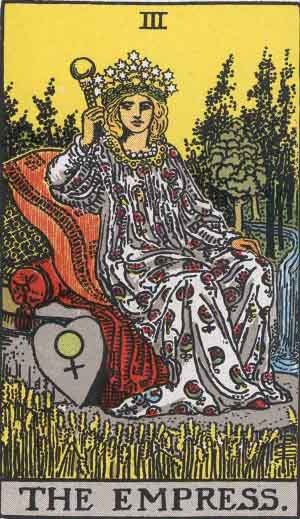
MAJOR ARCANA
The Empress
Growth · care · creativity
MAJOR ARCANA
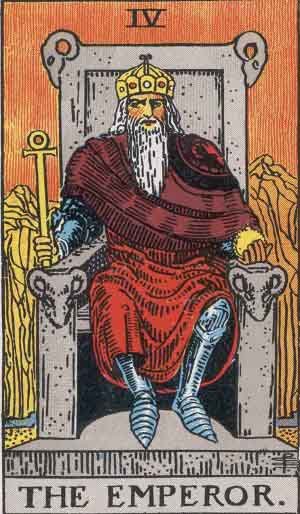
The Emperor
Structure · authority · boundaries
MAJOR ARCANA
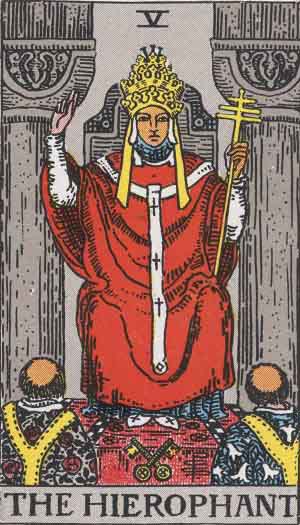
The Hierophant
Tradition · teaching · spiritual practice
MAJOR ARCANA
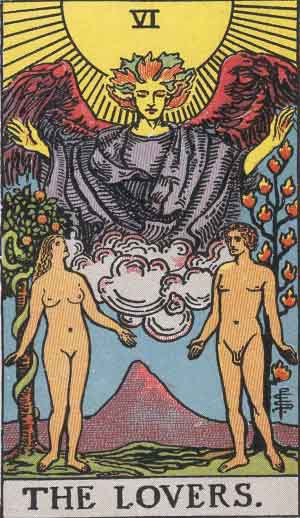
The Lovers
Choice · alignment · relationship
MAJOR ARCANA
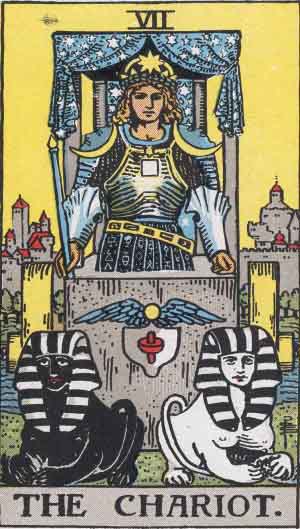
The Chariot
Willpower · movement · discipline
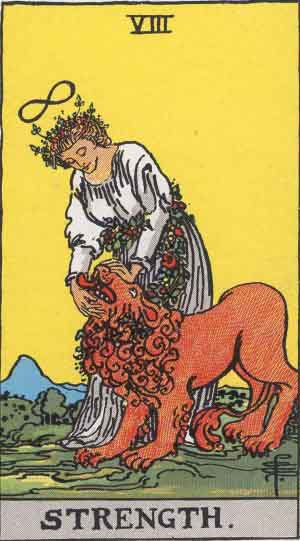
MAJOR ARCANA
Strength
Patience · courage · self-command
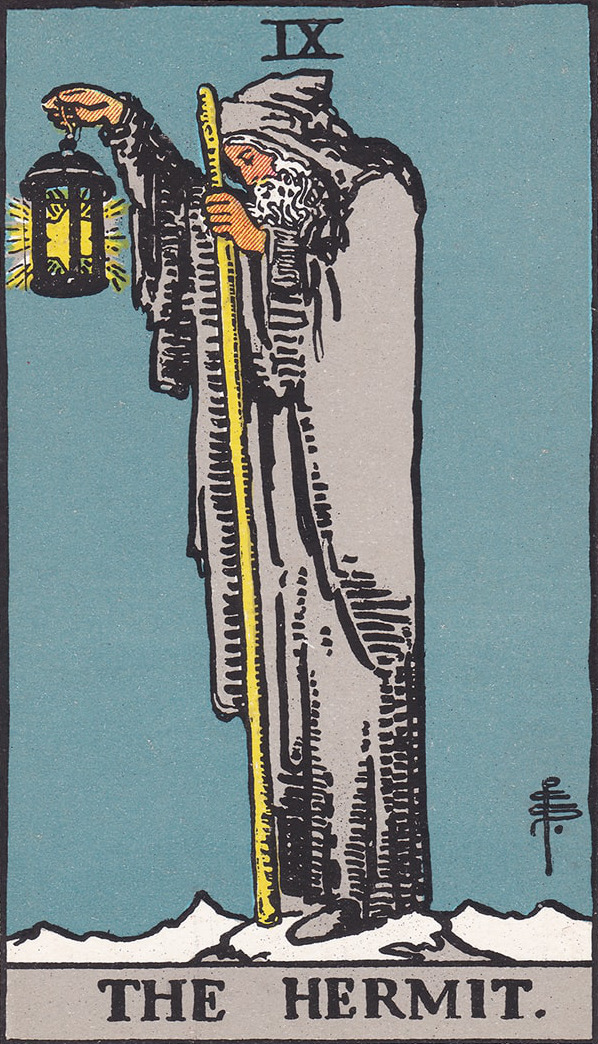
MAJOR ARCANA
The Hermit
Reflection · solitude · inner guidance
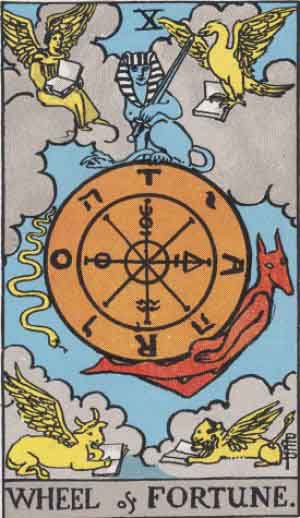
MAJOR ARCANA
Wheel of Fortune
Cycles · timing · turning points
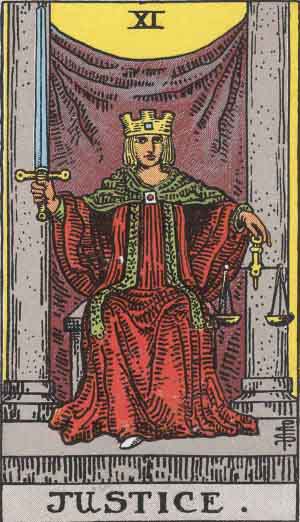
MAJOR ARCANA
Justice
Truth · accountability · clear consequences
MAJOR ARCANA
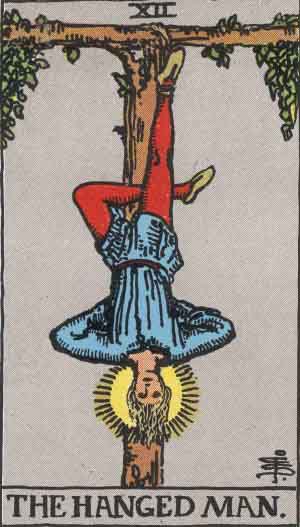
The Hanged Man
Pause · surrender · new perspective
MAJOR ARCANA
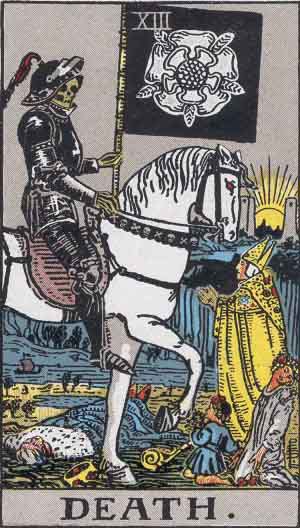
Death
Endings · release · transformation
MAJOR ARCANA
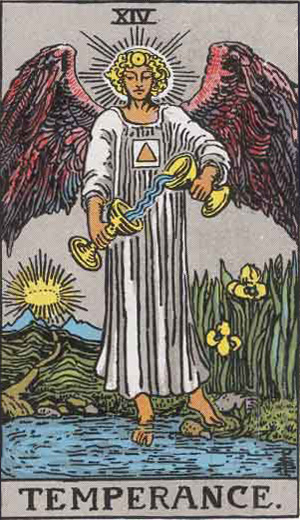
Temperance
Balance · integration · moderation
MAJOR ARCANA
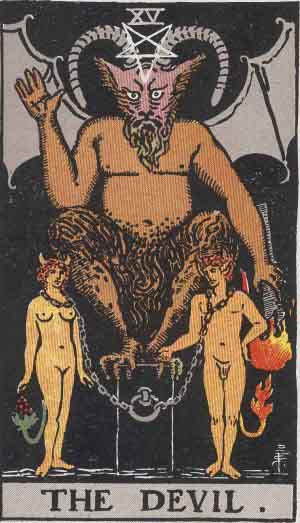
The Devil
Attachment · shadow · false limits
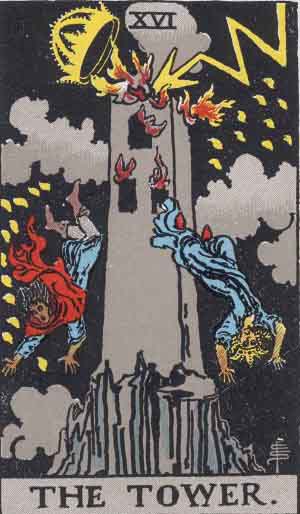
MAJOR ARCANA
The Tower
Disruption · revelation · necessary collapse
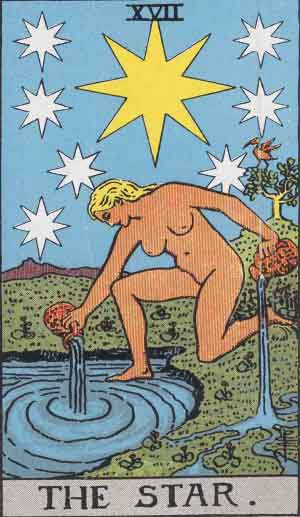
MAJOR ARCANA
The Star
Hope · healing · renewal
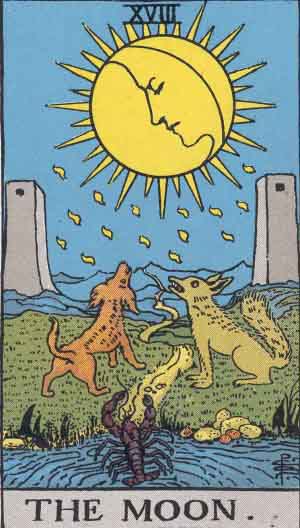
MAJOR ARCANA
The Moon
Uncertainty · dreams · intuition
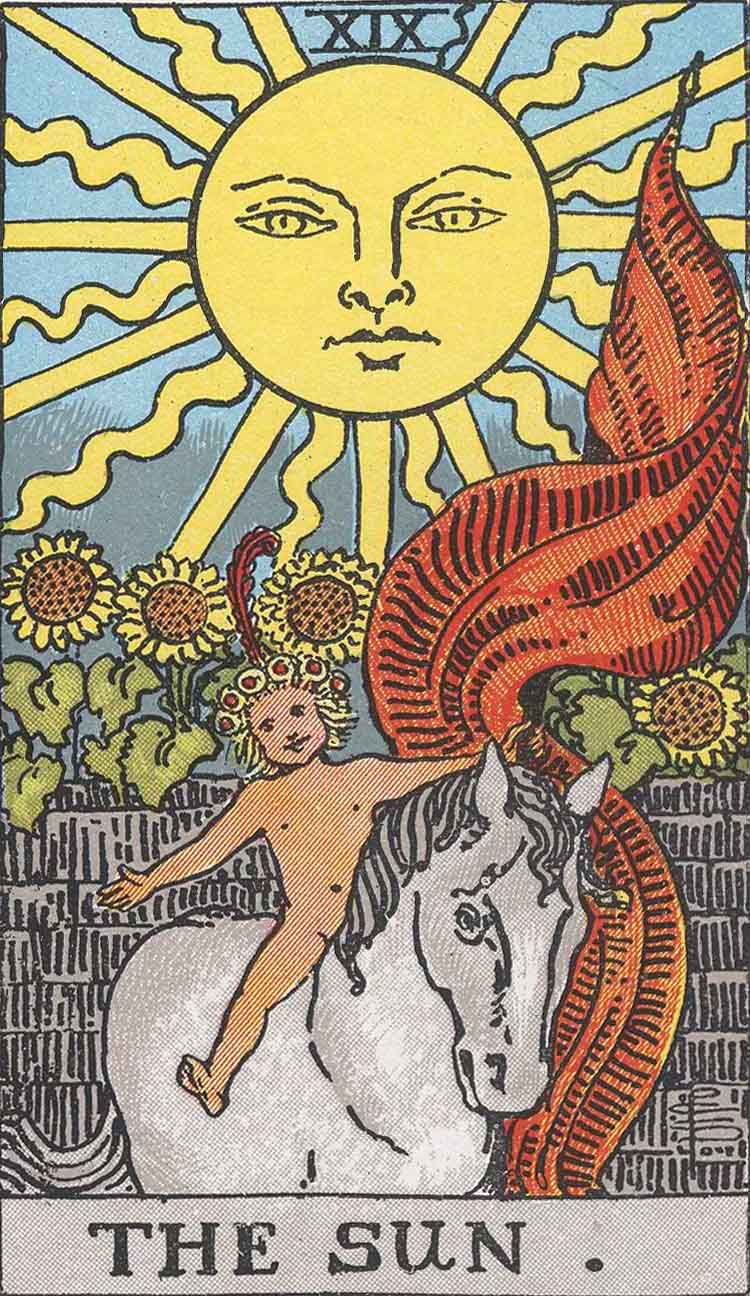
MAJOR ARCANA
The Sun
Joy · clarity · vitality
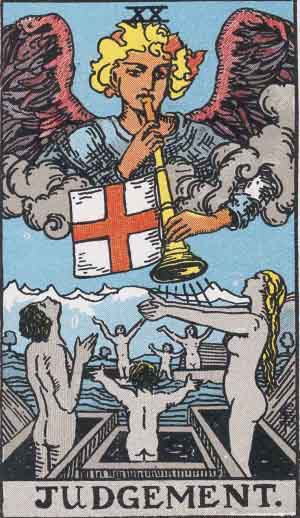
MAJOR ARCANA
Judgement
Awakening · reckoning · inner call
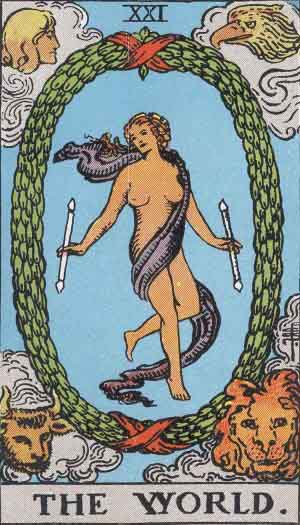
MAJOR ARCANA
The World
Completion · integration · arrival
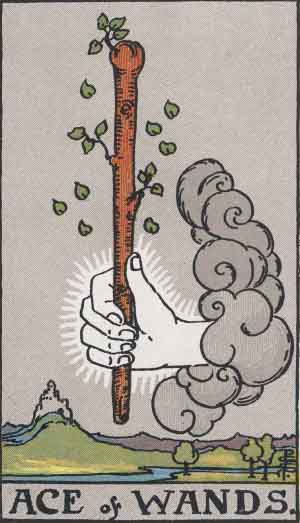
Wands
Ace of Wands
Inspiration · creative spark · new venture
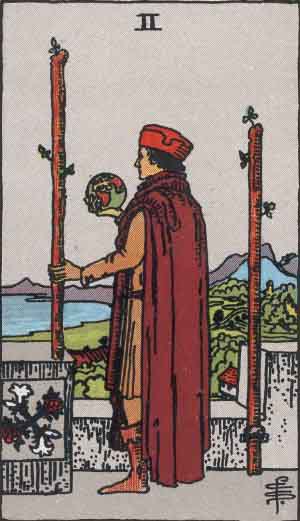
Wands
Two of Wands
Planning · first success · looking ahead
Wands
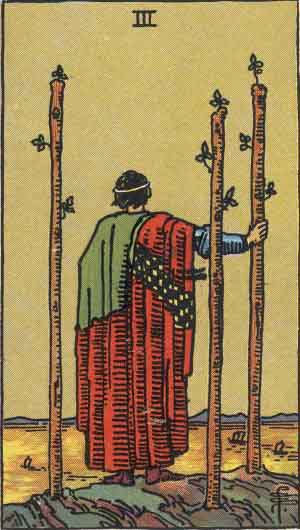
Three of Wands
Expansion · foresight · awaiting returns
Wands
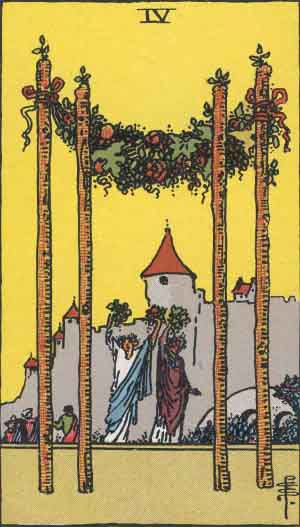
Four of Wands
Celebration · homecoming · stable foundation
Wands
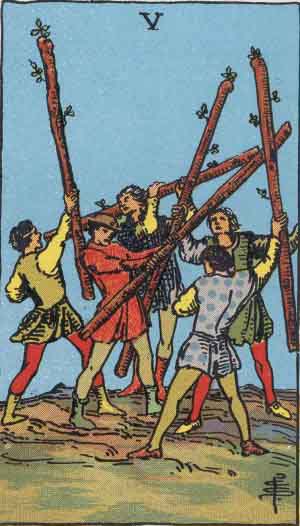
Five of Wands
Competition · friction · clashing ideas
Wands
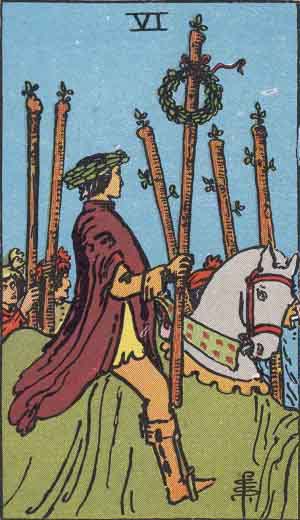
Six of Wands
Victory · recognition · public success
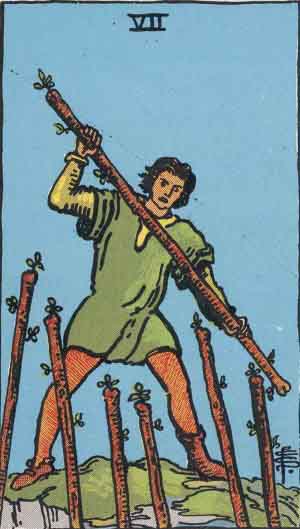
Wands
Seven of Wands
Defense · perseverance · standing firm
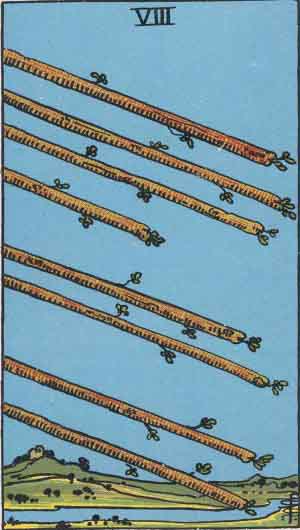
Wands
Eight of Wands
Swift movement · alignment · fast progress
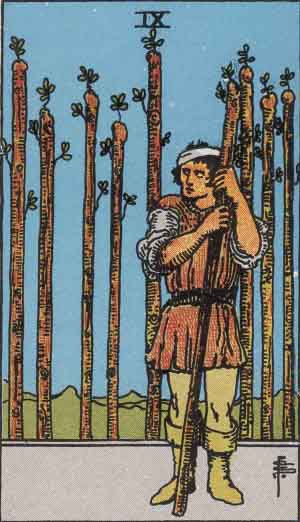
Wands
Nine of Wands
Resilience · boundaries · nearly there
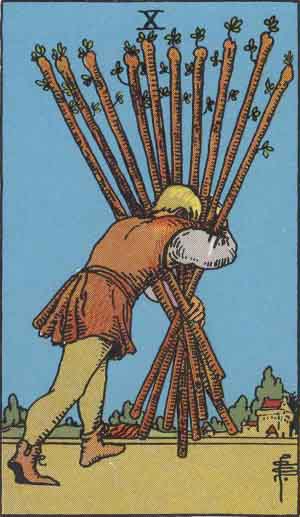
Wands
Ten of Wands
Burden · responsibility · overload
Wands
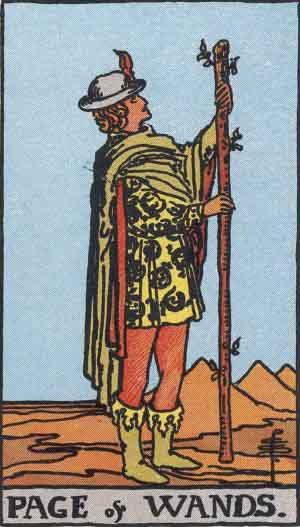
Page of Wands
Enthusiasm · exploration · new ideas
Wands
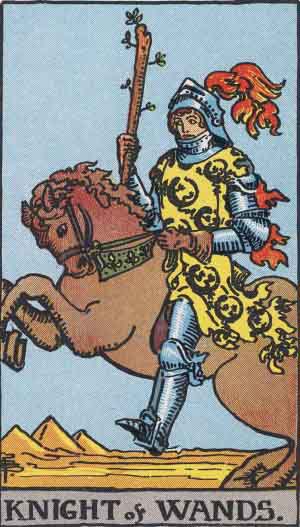
Knight of Wands
Bold action · adventure · impulsiveness
Wands
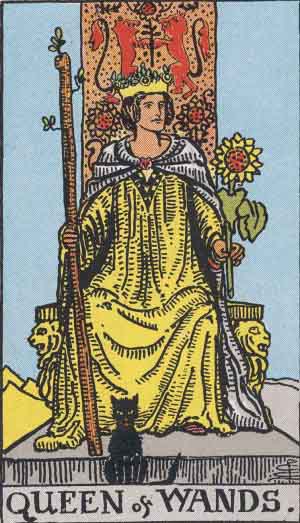
Queen of Wands
Confidence · warmth · magnetic independence
Wands
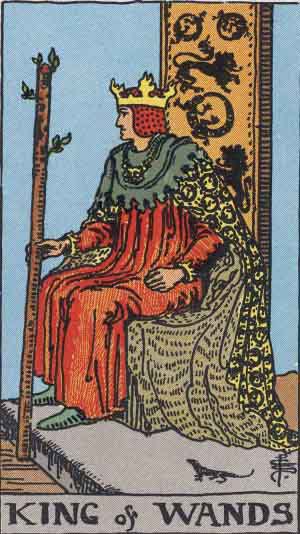
King of Wands
Visionary leadership · bold authority
Cups
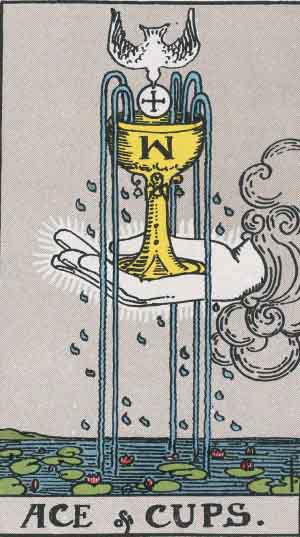
Ace of Cups
New love · emotional opening · overflow
Cups
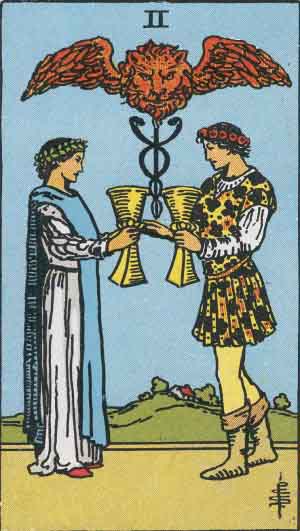
Two of Cups
Partnership · mutual connection · union
Cups
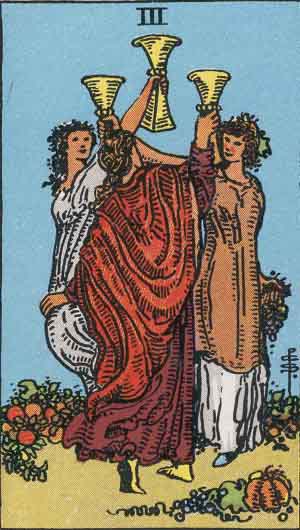
Three of Cups
Friendship · celebration · community
Cups
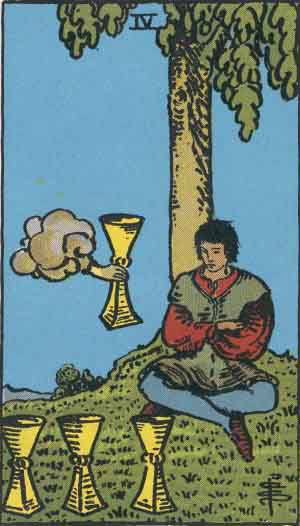
Four of Cups
Apathy · contemplation · missed offer
Cups
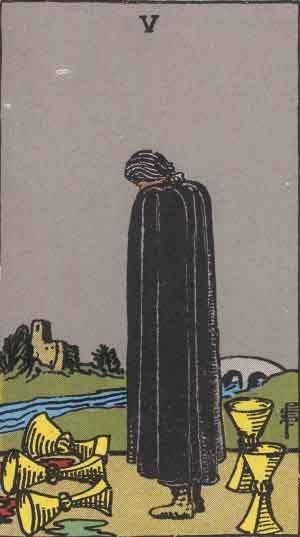
Five of Cups
Grief · regret · focus on loss
Cups
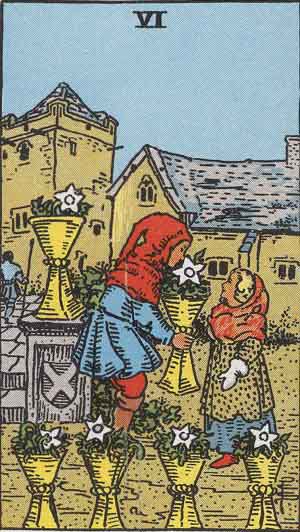
Six of Cups
Nostalgia · innocence · the past returning
Cups
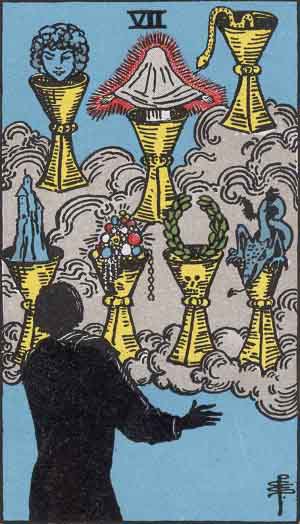
Seven of Cups
Choices · fantasy · illusion
Cups
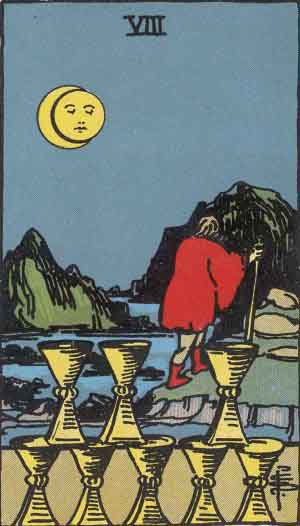
Eight of Cups
Walking away · seeking more · disillusionment
Cups
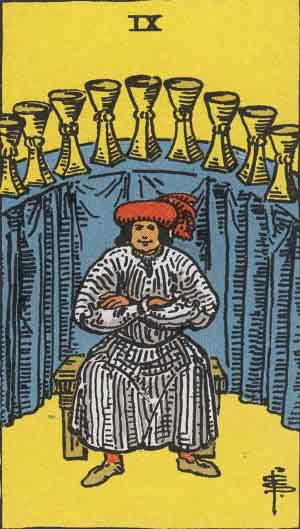
Nine of Cups
Satisfaction · contentment · wishes fulfilled
Cups
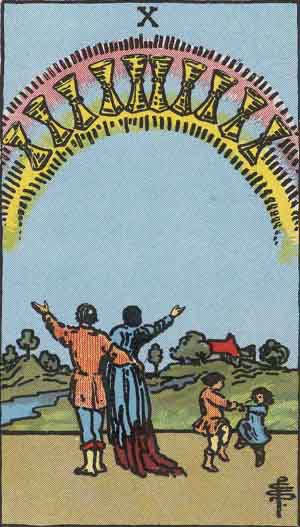
Ten of Cups
Emotional fulfillment · harmony · lasting joy
Cups
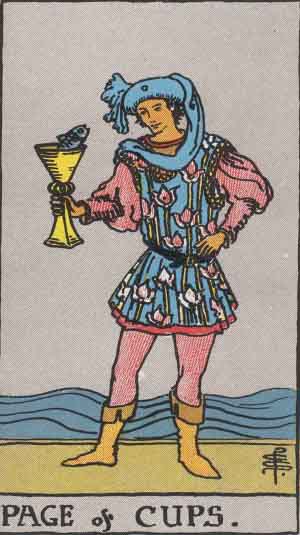
Page of Cups
Emotional openness · creative message · intuition
Cups
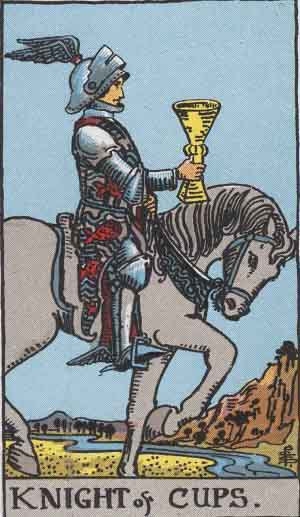
Knight of Cups
Romance · idealism · following the heart
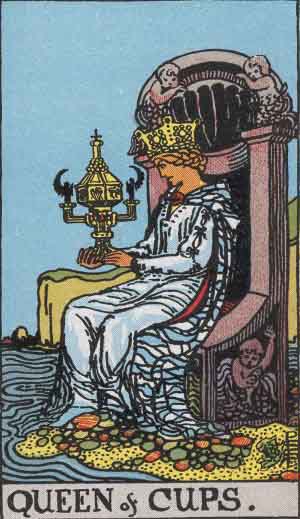
Cups
Queen of Cups
Emotional depth · compassion · intuitive wisdom
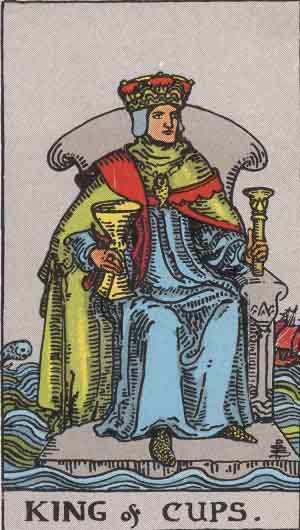
Cups
King of Cups
Emotional mastery · calm leadership · diplomacy
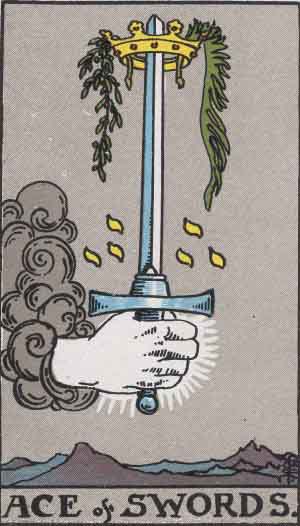
Swords
Ace of Swords
Clarity · breakthrough · truth
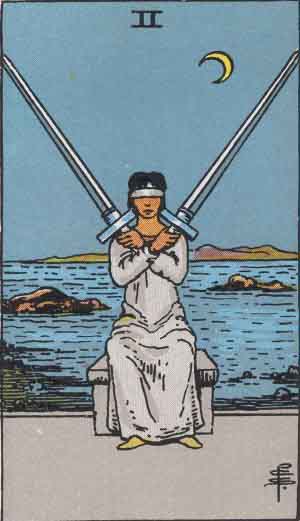
Swords
Two of Swords
Indecision · stalemate · avoidance
Swords
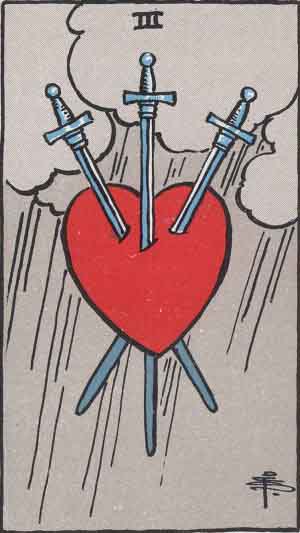
Three of Swords
Heartbreak · sorrow · painful truth
Swords
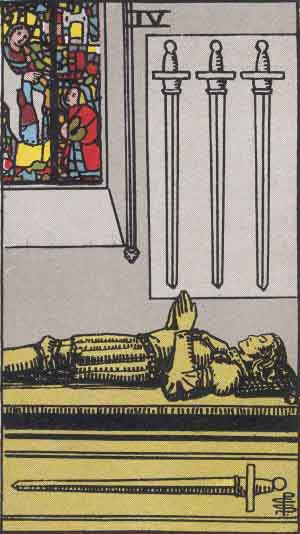
Four of Swords
Rest · recovery · mental pause
Swords
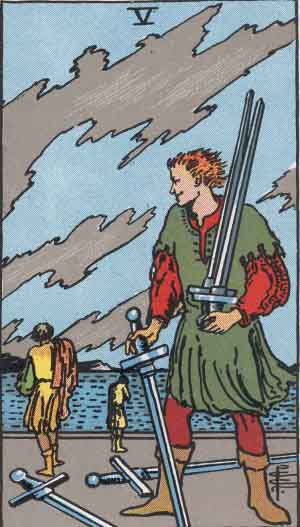
Five of Swords
Conflict · hollow victory · tension
Swords
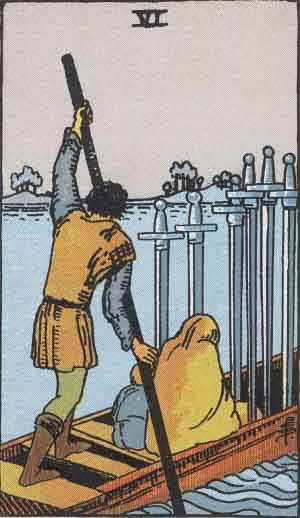
Six of Swords
Transition · moving on · gradual healing
Swords
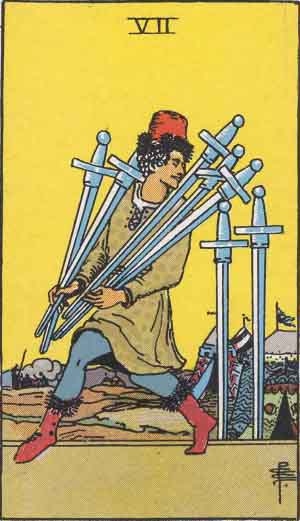
Seven of Swords
Strategy · deception · acting alone
Swords
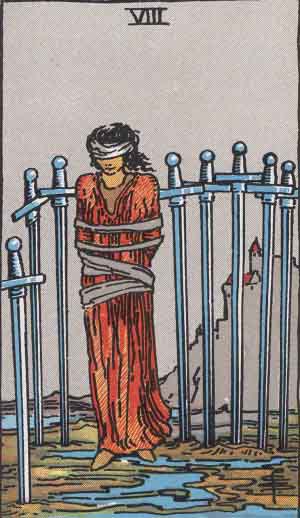
Eight of Swords
Restriction · feeling trapped · self-imposed limits
Swords
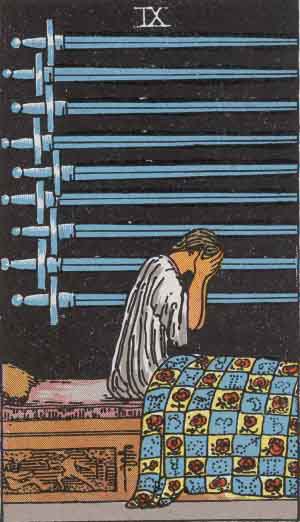
Nine of Swords
Anxiety · worry · sleepless mind
Swords
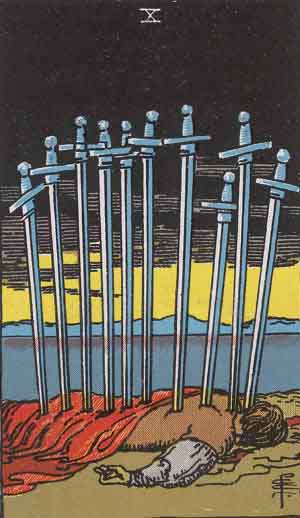
Ten of Swords
Painful ending · rock bottom · release
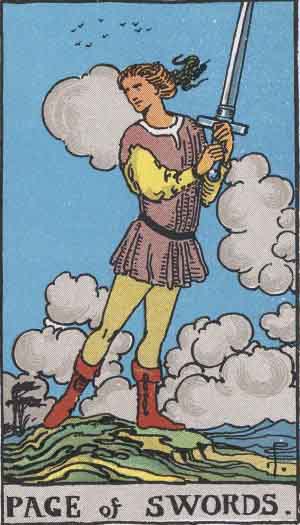
Swords
Page of Swords
Curiosity · vigilance · new ideas
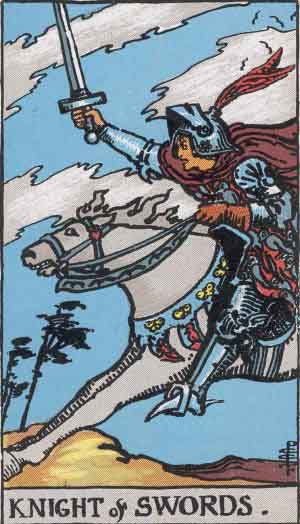
Swords
Knight of Swords
Fast action · directness · determination
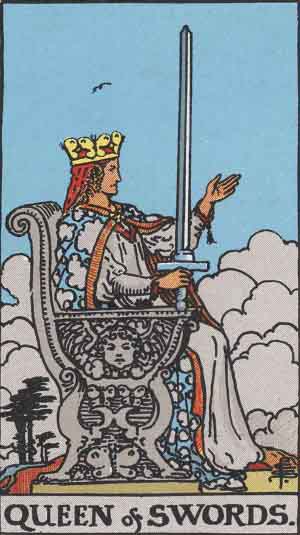
Swords
Queen of Swords
Clear-eyed honesty · independence · sharp perception
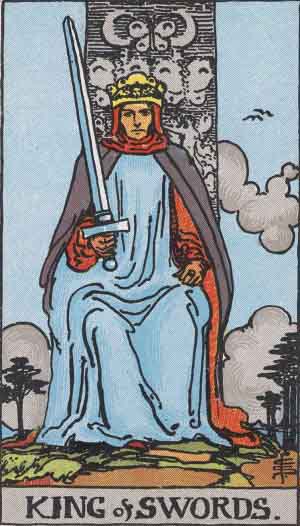
Swords
King of Swords
Intellectual authority · fairness · clear judgment
Pentacles
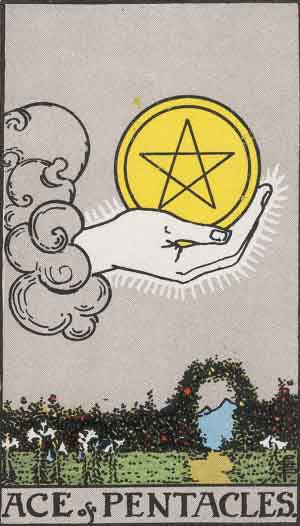
Ace of Pentacles
New opportunity · material beginning · abundance
Pentacles
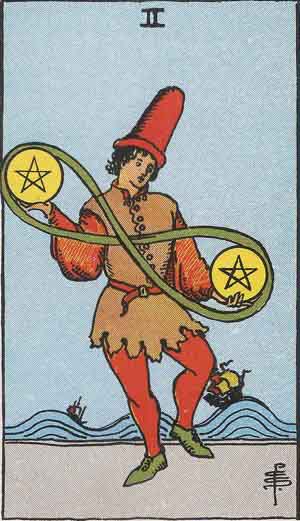
Two of Pentacles
Balance · adaptability · juggling priorities
Pentacles
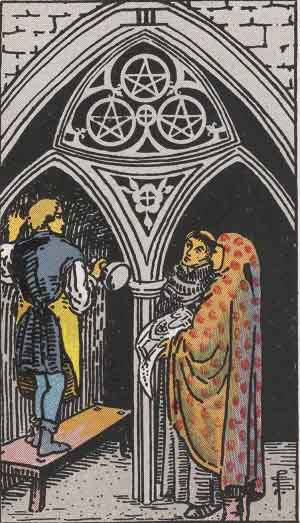
Three of Pentacles
Collaboration · skill · teamwork
Pentacles
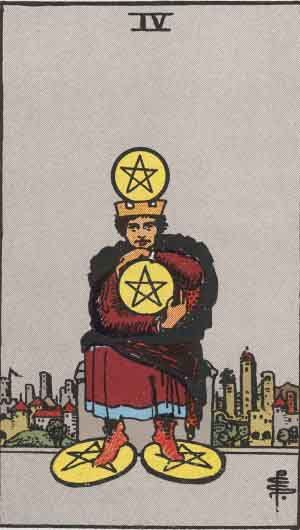
Four of Pentacles
Security · control · holding on
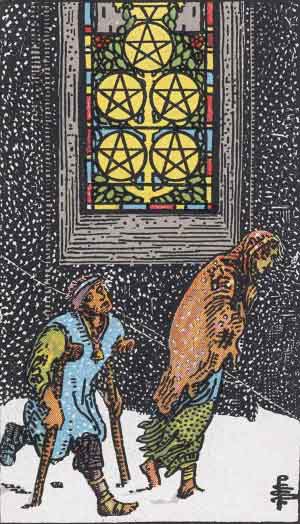
Pentacles
Five of Pentacles
Hardship · financial loss · feeling excluded
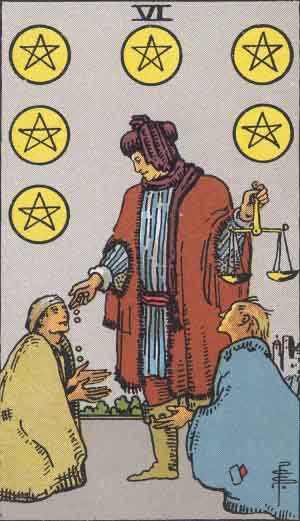
Pentacles
Six of Pentacles
Generosity · giving and receiving · fair exchange
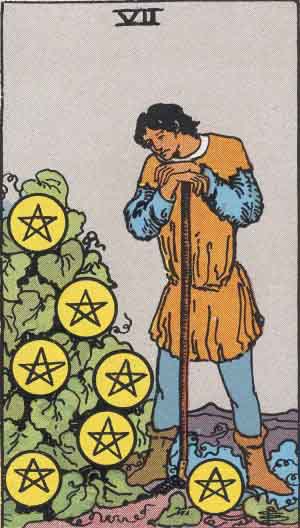
Pentacles
Seven of Pentacles
Patience · assessment · long-term investment
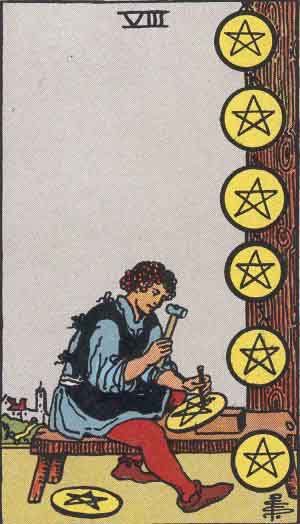
Pentacles
Eight of Pentacles
Mastery · diligence · skill-building
Pentacles
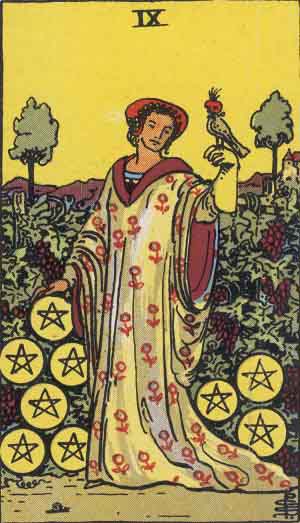
Nine of Pentacles
Independence · self-sufficiency · earned luxury
Pentacles
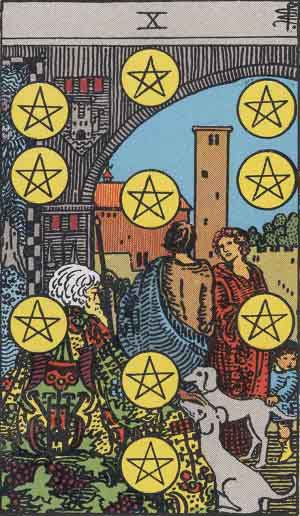
Ten of Pentacles
Legacy · long-term success · family wealth
Pentacles
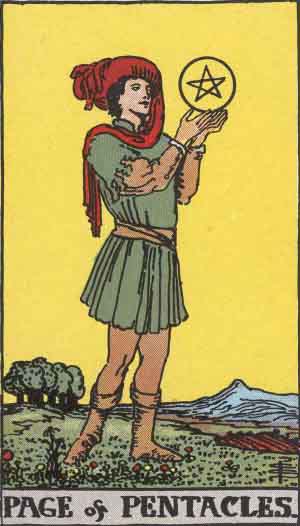
Page of Pentacles
Ambition · practical learning · new venture
Pentacles
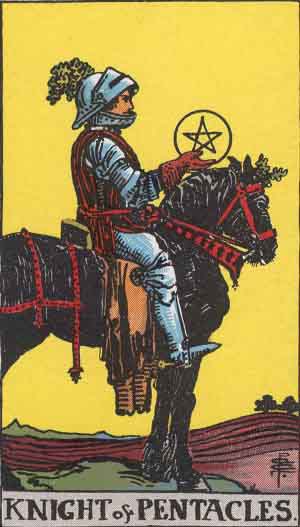
Knight of Pentacles
Diligence · routine · steady progress
Pentacles
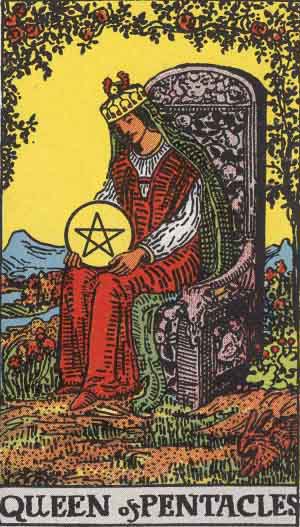
Queen of Pentacles
Nurturing practicality · abundance · groundedness
Pentacles
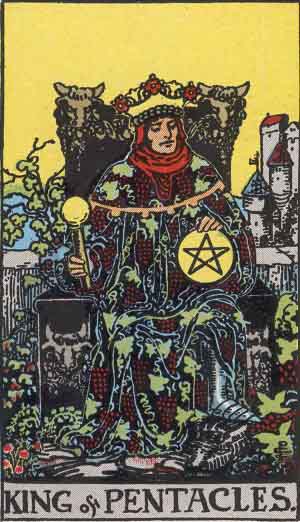
King of Pentacles
Material mastery · security · generous leadership
BUILD YOUR PRACTICE
The art of reading the cards.
A comprehensive reference to the archetypal symbols, elemental currents, and psychological architecture behind the 78 cards of the tarot.
1. The Dual Architecture of Tarot: Macrocosm vs. Microcosm+
To understand tarot card meanings with genuine depth, one must discard the misconception that the deck is merely a collection of isolated fortune-telling symbols. The standard 78-card deck is an integrated philosophical engine and psychological mirror, structured around the Hermetic maxim 'as above, so below.' It bifurcates into two distinct domains of human experience: the Major Arcana (the sacred macrocosm) and the Minor Arcana (the mundane microcosm). When you lay cards on a table, you are not receiving arbitrary fortunes; you are surveying how universal cosmic currents are crystallizing into the immediate textures of your daily existence.
The 22 cards of the Major Arcana map what Swiss psychiatrist Carl Jung termed the individuation process, traditionally preserved in tarot lore as the Fool's Journey. Numbered from 0 (The Fool) through XXI (The World), these cards depict the necessary initiations of the human soul. They delineate encounters with parental archetypes (The Empress and The Emperor), formal doctrine (The Hierophant), moral integration (The Lovers and Justice), crisis-driven awakening (The Tower), and cosmic wholeness (The World). When a Major Arcana card arrives in a spread, it announces an immovable lesson. The query at hand is not governed by superficial logistics; it is an encounter with destiny, soul development, and psychological transformation.
Conversely, the 56 cards of the Minor Arcana illustrate how those profound archetypal forces negotiate the friction of daily life. If the Major Arcana provides the thematic score and overarching screenplay of existence, the Minor Arcana supplies the stage blocking, dialogue, and pragmatic decisions. Split evenly across four distinct suits—Wands, Cups, Swords, and Pentacles—these cards track how our passions, sentiments, thoughts, and physical efforts interact with time and circumstance. Recognizing this structural dichotomy allows the reader to immediately gauge the gravity of any spread: a preponderance of Major cards calls for surrender and deep soul examination, while a dominance of Minor cards calls for pragmatic adjustments and immediate, tactical agency.
2. The Four Elemental Suits: The Matrix of Daily Reality+
Each suit of the Minor Arcana is rooted in one of the four classical elements of Western esoteric philosophy. By understanding the elemental temperament of each suit, you cultivate an intuitive diagnostic tool that transcends rigid keyword memorization. Every suit governs a distinct theatre of consciousness, presenting a ten-stage evolutionary sequence from raw potential (the Ace) to systemic harvest (the Ten).
The Suit of Wands embodies Fire. Fire is active, volatile, generative, and consuming. In tarot, Wands govern creative volition, spiritual enterprise, professional passion, and the primal impulse to impose meaning upon blank space. When Wands predominate in a spread, the querent is dealing with vitality, personal drive, enthusiasm, or fierce competition. The shadow of Wands emerges as impetuous burnout, aggressive impatience, or creative projects abandoned as soon as the initial dopamine rush wanes. In Jungian terms, Wands correspond to the Intuitive function—the forward-looking perception of future possibilities.
The Suit of Cups embodies Water. Water is receptive, fluid, deep, and dissolving. Cups govern the emotional sanctuary, intimate relationships, dreamscapes, creative empathy, and intuitive currents that run beneath spoken language. A spread rich in Cups focuses on the health of the heart: the ability to open oneself to intimacy, forgive ancient grievances, or mourn necessary losses. The shadow of Water reveals emotional stagnation, escapist fantasy, codependency, and the tendency to drown in unprocessed nostalgia. In psychological typology, Cups represent the Feeling function—evaluating life through values, ethics, and relational connection.
The Suit of Swords embodies Air. Air is invisible, penetrating, analytical, and uncompromising. Swords govern the intellectual faculty, truth, communicative clarity, ethical discernment, and the psychological dilemmas born of conscious awareness. The sword possesses two edges: one cuts through illusion to establish objective truth, while the other inflicts psychological wounds through rumination, grief, and harsh judgment. A heavy presence of Swords indicates sharp decisions, ideological tension, or mental anguish. Their highest gift is unclouded discernment; their deepest trap is paralysis by analysis. Swords correspond to the Thinking function—rational logic and structural cognition.
The Suit of Pentacles embodies Earth. Earth is dense, enduring, fertile, and grounded. Pentacles (historically coins) govern the physical vessel of the body, material security, earned wealth, career stability, and deliberate craftsmanship. When Pentacles anchor a spread, the focus is firmly pragmatic: cash flow, home environments, physical wellness, contractual agreements, and long-term tangible building. The shadow of Earth manifests as materialistic greed, paralyzing stubbornness, somatic neglect, or the refusal to take necessary risks due to security obsessions. Pentacles correspond to the Sensation function—direct perception through the five physical senses.
3. Decoding the Court Cards: The Sixteen Personas of Consciousness+
The 16 Court Cards—four ranks per suit: Page, Knight, Queen, and King—frequently bewilder developing readers because they can manifest in three separate modes during an inquiry: as distinct external people in the querent's orbit, as psychological sub-personalities active within the querent's psyche, or as situational advice instructing how one must behave to resolve a deadlock.
Pages represent the Earthy part of each element. They are the apprentices, seekers, and heralds of the suit. A Page carries the curious innocence of a student who is not afraid to stumble while experimenting with new skills. The Page of Wands seeks creative adventure; the Page of Cups explores emotional sensitivity; the Page of Swords investigates curiosity and mental vigilance; the Page of Pentacles cultivates grounded study and tangible apprenticeship. When a Page appears, treat it as an invitation to beginner's mind: let go of intellectual arrogance and allow curiosity to lead.
Knights represent the Airy part of each element. They are the agents of motion, questing, and relentless outward drive. A Knight channels the element into targeted crusade. The Knight of Wands charges toward passion with charismatic bravado; the Knight of Cups rides in search of poetic ideals and romantic union; the Knight of Swords strikes with rapid, merciless intellectual force; the Knight of Pentacles plods with methodical, stubborn persistence. Knights warn against excess: their singular focus can easily curdle into recklessness, moodiness, intellectual cruelty, or calcified drudgery.
Queens represent the Watery part of each element. They model internal mastery, emotional receptivity, and psychological depth. A Queen does not need to posture or conquer territory; she commands from self-possession. The Queen of Wands vibrates with magnetic self-confidence and radiant warmth; the Queen of Cups acts as a serene sanctuary of empathic insight; the Queen of Swords wields razor-sharp boundaries and sorrow-tempered clarity; the Queen of Pentacles manages abundance, earthly comfort, and somatic nourishment. Queens ask you to mother the situation from within.
Kings represent the Fiery part of each element. They embody externalized governance, ethical leadership, structural establishment, and institutional responsibility. A King projects the suit's mastery into social and worldly systems. The King of Wands leads visionary movements; the King of Cups anchors emotional diplomacy in times of storm; the King of Swords dispenses impartial justice and systematic clarity; the King of Pentacles presides over commercial empires, physical wealth, and family legacy. Kings summon you to step into visible sovereignty and take full accountability for the outcome.
4. The Mechanics of Reversals: How Inverted Energy Operates+
Reading reversed tarot cards is one of the most misunderstood disciplines in divination. Amateur readers frequently fall into the trap of assuming a reversed card simply flips an upright meaning into its diametric opposite (e.g., viewing an upright card as 'good' and its reversal as 'catastrophe'). In mature esoteric practice, a reversal rarely signifies an external disaster; rather, it modifies the direction and flow of the card's quintessential force.
First, reversals indicate internalized energy. An upright card expresses its archetype openly in the outer environment where friends, colleagues, and external circumstances participate in its narrative. When reversed, that identical energy turns inward, operating within the theatre of the querent's private psyche. For instance, the Three of Swords upright points to overt emotional heartbreak or vocal dispute; reversed, it signifies private, unspoken grief, self-inflicted criticism, or the quiet, internal stages of mending an ancient wound away from public observation.
Second, reversals highlight energy blockages, resistance, or delays. The natural evolutionary momentum of the card is present, but an obstruction—often an unacknowledged fear, a stubborn attachment, or an unhealed psychological complex—prevents the energy from reaching full flowering. The Chariot reversed does not mean total defeat; it indicates misaligned steering, competing inner impulses pulling the vehicle off course, or the need to pause and re-anchor self-discipline before resuming the offensive.
Third, reversals diagnose both the deficiency and the caricature (excess) of an archetype. The Emperor upright embodies healthy boundaries, protective structure, and rational organization. Reversed, it can announce either an utter lack of boundaries (deficiency leading to chaos) or tyrannical, rigid micro-management (caricature crushing life). Determining which pole is active depends upon the neighboring cards and the honest emotional resonance of the querent. Viewing reversals through this lens transforms them from superstitious omens into master tools of psychological refinement.
5. Tarot Numerology: The Evolution from Seed to Harvest+
Numbers are the universal scaffolding of the tarot. From the singular point of the Ace to the dense culmination of the Ten, the numbered cards of the Minor Arcana track an archetypal progression that mirrors Pythagorean and Kabbalistic numerological doctrine. When you comprehend the energetic signature of each number, you can immediately decode any numbered card across all four suits.
Aces are the monad: raw, undifferentiated potential, the divine seed planted in consciousness. Twos introduce duality, reflection, the first consciousness of 'the other,' and the necessity of choice. Threes mark the initial harvest: creative collaboration, initial synthesis, and the first tangible evidence of growth. Fours construct stability, boundaries, order, and foundations—yet carry the quiet risk of complacency and stagnation. Fives disrupt the four's comfort: they bring friction, crisis, loss, and the sudden realization that fixed systems must evolve or break.
Sixes restore equilibrium after crisis: they offer reconciliation, cooperative healing, earned victories, and grace. Sevens bring evaluation, strategic hesitation, contemplation, and the interior test of faith versus illusion. Eights demand focused effort, rapid movement, self-mastery, and the continuous refinement of energy. Nines represent near-completion: personal integration, solitary fruition, and facing the cumulative emotional or mental weight of the cycle. Tens represent absolute culmination: the cycle is saturated, the full harvest is gathered, and the energy collapses under its own weight, naturally preparing to birth the next Ace. By reading through numerological lens, every spread becomes an intelligible timeline of cause and effect.
6. Synthesizing Card Combinations: The Alchemy of Context+
In a genuine reading, cards never speak in solitary vacuums; they enter into an alchemical dialogue where proximity alters meaning. Reading cards in combination requires sensitivity to elemental affinities, reinforcing pairs, and conflicting polarities.
Elemental dignities provide the primary syntax. Elements of like temperament support and accelerate one another: Fire and Air fuel expansion, visionary thought, and rapid physical execution. When Wands and Swords cluster together, anticipate swift decisions, outspoken conviction, and rapid shifts. Similarly, Water and Earth nourish stability, emotional groundedness, and material fertility. Cups and Pentacles mutually support durable alliances, somatic healing, and domestic serenity.
Conversely, incompatible elements generate friction that highlights internal discord. Fire and Water steam and boil: when Wands clash with Cups, passionate impulse frequently collides with emotional vulnerability or past trauma. Air and Earth struggle for common ground: Swords seek abstract logic and rapid movement, whereas Pentacles demand physical proof, deliberate pacing, and tangible caution. When conflicting elements appear side by side, do not view it as a broken reading; view it as an accurate portrait of the querent's inner battle between their head and their heart, or their dreams and their bank account.
Furthermore, observe directional gaze and spatial dynamics. In traditional Rider-Waite-Smith illustrations, characters look left (toward the past and internal memory) or right (toward the future and outer action). When two court cards sit side-by-side facing each other, a direct, unresolved dialogue is occurring. When they turn their backs on each other, communication has collapsed. The living geometry of the spread tells the truth before a single book definition is consulted.
7. How to Read Tarot for Yourself: The Self-Inquiry Protocol+
Reading tarot for oneself is one of the most potent self-regulatory and contemplative practices available, yet it carries the hazard of confirmation bias and anxious projection. To read with pristine clarity, you must cultivate the posture of an objective witness rather than an anxious seeker hunting for immediate reassurance.
First, abandon passive fatalism in your question framing. Replace anxiety-driven queries such as 'Will he text me?' or 'Will I win the contract?' with empowered, agency-centered questions: 'What unconscious belief is sabotaging my emotional availability?' or 'What strategic blind spot must I address before submitting this proposal?' This single shift converts the tarot deck from an anxious pacifier into an exacting mirror of your sovereignty.
Second, adopt the Daily Single-Card Anchor. Every morning, shuffle your deck mindfully, draw a single card, and contemplate its visual details before checking any reference text. What color catches your eye? What is the physical posture of the central figure? How does the emotional tone of the card resonate with the challenges awaiting you today? Record your observations in a journal. That evening, revisit your entry and annotate how the card's archetype actually manifested in your interactions. Over several months, this disciplined feedback loop builds an intimate, unbreakable connection with the deck that no guidebook can replicate.
Third, master the Three-Card Spread before touching complex spreads like the Celtic Cross. Three cards provide sufficient depth without cognitive overload. Practice dynamic triadic models: Mind / Body / Spirit; Situation / Underlying Obstacle / Highest Action; or What to Release / What to Cultivate / Where to Anchor Trust. Treat tarot reading not as superstitious fortune-telling, but as sacred, reflective psychology designed to awaken the wisdom you already carry.
8. Yes or No Tarot: The Binary Archetypal Framework+
While tarot excels at illuminating depth and narrative nuance, one of the most widely searched divination techniques is 'Yes or No Tarot.' When quick, binary clarity is required, every card in the 78-card deck carries an elemental and archetypal charge that tilts toward affirmative, cautionary, or conditional outcomes.
Definitive 'Yes' cards embody expansion, clarity, and harmonic culmination: The Sun, The Star, The World, Ace of Cups, Two of Cups, Three of Cups, Ace of Wands, Six of Wands, and Nine of Pentacles. When drawn upright, these cards indicate unhindered momentum and alignment.
Definitive 'No' or 'Pause' cards signal severe cognitive dissonance, external collapse, or necessary endings: The Tower, Three of Swords, Nine of Swords, Ten of Swords, Five of Pentacles, and Death (when resisting inevitable transition). A 'No' is rarely a curse; it functions as protective redirection, advising you to halt before expending vital energy on an unsustainable path.
Conditional or 'Wait' cards—such as The Hanged Man, Two of Swords, Four of Swords, and Seven of Pentacles—indicate that key information remains hidden or that gestation is incomplete. In these instances, the cards counsel patience over forced action.
9. The 78 Tarot Card Meanings Cheat Sheet & Reference Framework+
Whether you are building your personal practice, consulting reference tables during daily draws, or downloading a printable PDF guide, retaining all 78 card meanings becomes seamless once you master structural symmetry rather than rote memorization.
Remember the fourfold elemental rule: Wands are Fire (Will & Intuition), Cups are Water (Emotion & Connection), Swords are Air (Intellect & Discernment), and Pentacles are Earth (Manifestation & Stability). Combine this suit quality with numerological progress (1 through 10) and the developmental stations of the Court Cards (Page as student, Knight as crusader, Queen as interior master, King as sovereign authority).
Our complete library below catalogs every card with upright keywords, reversed warnings, astrological correspondences, elemental dignities, and dedicated love and career advice, providing an authoritative, evergreen reference for both beginner and seasoned cartomancers.
YOUR QUESTIONS, EXPLORED
Learning the language.
What is the true difference between Major and Minor Arcana cards?+
The Major Arcana consists of 22 cards representing macrocosmic, karmic shifts and universal archetypal stages of human consciousness—often referred to as the Fool's Journey. The Minor Arcana comprises 56 cards divided into four suits (Wands, Cups, Swords, Pentacles) that reflect the microcosm of daily reality: emotional interactions, workplace decisions, communication obstacles, and material resources.
Do reversed tarot cards always signify negative or dangerous events?+
No. A reversed tarot card rarely denotes catastrophe. Instead, an inverted card signals internalized energy, unconscious resistance, delayed manifestation, or an excess or deficiency of that archetype's qualities. For instance, The Tower reversed often indicates internal revelation or avoiding a catastrophic collapse by making necessary voluntary changes before external pressure forces them.
How should beginners start interpreting tarot card combinations?+
Begin by observing elemental dignities and narrative resonance. Fire (Wands) and Air (Swords) stimulate rapid momentum and outward assertion; Water (Cups) and Earth (Pentacles) ground, nourish, and stabilize. When conflicting elements appear—such as Fire and Water—they indicate internal emotional friction or competing priorities. Look for shared numbers, recurring suits, or gaze directions between figures to uncover the dialogue between adjacent cards.
Can tarot predict fixed future events with absolute certainty?+
Tarot does not operate as a deterministic crystal ball. Rather, it reflects current energetic momentum, psychological trajectories, and subconscious habits. If you continue on your present trajectory without conscious intervention, the outcome indicated by the spread is the natural harvest of those choices. By revealing blind spots, tarot restores agency, allowing you to redirect your actions and reshape future probabilities.
How do the four suits connect to the classical elements and psychology?+
Wands correspond to Fire, embodying creative willpower, spiritual drive, and vitality (Intuition). Cups correspond to Water, governing relational vulnerability, subconscious memory, and emotional intimacy (Feeling). Swords correspond to Air, representing analytical judgment, objective truth, and cognitive friction (Thinking). Pentacles correspond to Earth, governing tangible security, physical wellness, and sustained craftsmanship (Sensation).
Can I use tarot cards for direct Yes or No questions?+
Yes. Clear cards such as The Sun, The Star, The World, Two of Cups, and Ace of Wands carry an affirmative 'Yes' resonance. Cards like The Tower, Three of Swords, and Ten of Swords indicate caution or 'No'. Nuanced cards like The Hanged Man or Two of Swords counsel patience until circumstances clarify.
Is there a downloadable or printable Tarot Card Meanings Cheat Sheet PDF?+
Yes. Our complete 78-card meanings library provides an instant digital reference with upright and reversed keywords, element correspondences, and yes/no verdicts, designed for quick reference during personal and client readings.
THE ZENITH APP
Your universe. Wherever you are.
Daily reflections, personal astrology, AI guides, and moments of stillness. Keep a little space for yourself, with Zenith on iPhone.
Download for iOSExplore the appEntirely yours.